Skip to Content

Cloud Manufacturing and Environmental Protection

.


Cloud manufacturing contributes significantly to environmental protection by enhancing resource efficiency and reducing waste. By sharing equipment and resources among factories, surplus is minimized, and the consumption of raw materials and energy is lowered. This approach ensures that equipment is utilized at its highest possible efficiency.

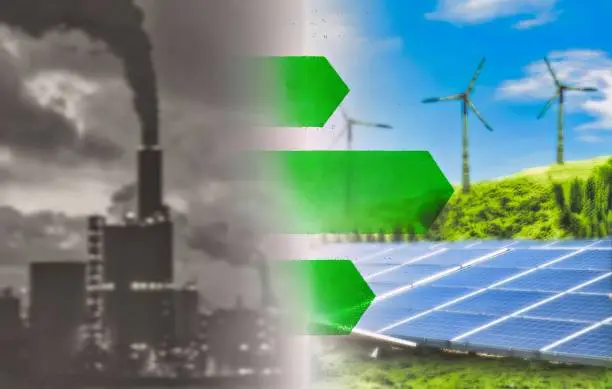


Cloud manufacturing and carbon emissions:


Cloud manufacturing is an innovative technology that helps reduce carbon emissions in several ways. First, it minimizes the need for physical transportation of materials and equipment between manufacturing sites, thereby lowering carbon dioxide emissions generated by transportation. Second, cloud manufacturing relies on cloud computing, which enables remote management of operations, reducing the need for traditional infrastructure that consumes large amounts of energy. Third, thanks to smart analysis techniques and precise planning, waste in production can be minimized, leading to decreased consumption of raw materials and energy. However, attention must be paid to the energy consumption of cloud data centers, which presents a challenge that requires the use of renewable energy sources and efficiency optimization technologies. Thus, while cloud manufacturing contributes to reducing carbon emissions, it necessitates sustainable management to ensure maximum environmental benefits.


Cloud manufacturing offers significant opportunities for environmental sustainability and reducing the negative environmental impact of traditional manufacturing, but it also requires attention to improving energy efficiency and data center management to ensure the full positive impact is achieved.